

Saltwater Epoxy Jigs: 20 Pro Tips to Get You Started

Listen up. If you aren’t throwing saltwater epoxy jigs, you’re leaving fish on the table. Plain and simple. These aren’t just pieces of metal with a coat of paint; they are the ultimate "match-the-hatch" weapon for every inshore angler from Maine to Maryland. Whether you’re chasing False Albacore on a surface boil or bouncing for Sea Bass on a deep wreck, the versatility of an epoxy jig is UNMATCHED.
At Asalt Fishing, we don't just sell gear; we build solutions for the problems we face on the water. We know that when the bay is full of "rain bait", those tiny, translucent silversides and sand eels, standard lures are too bulky, too heavy, or just look plain wrong.
That’s where the epoxy jig shines. It has the weight to cast a mile, the durability to survive a bluefish blitz, and a finish that looks like a living thing. Stronger, Sharper, Innovative.
Here are 20 pro tips to master the art of the epoxy jig and ensure your next trip ends with a heavy cooler.
The Anatomy of the Perfect Jig
Before you make your first cast, you need to understand what makes these jigs tick.
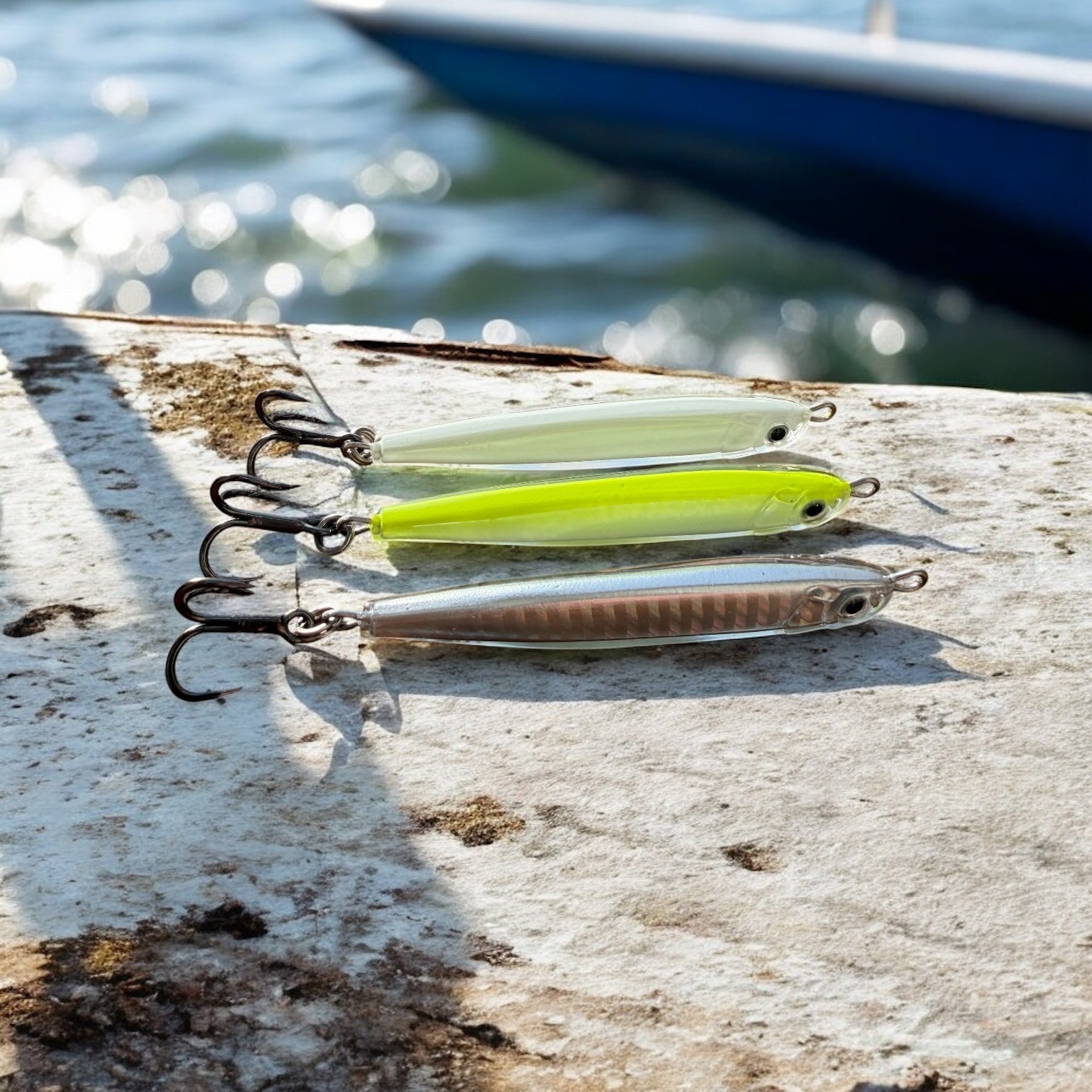
Pro Tip 1: The Clear Coat Advantage. The thick, clear epoxy coating isn't just for durability. It creates a refractive index similar to a baitfish’s scales and flesh. It gives the jig a 3D depth that mimics a translucent silverside or bay anchovy better than any lead jig ever could.
Pro Tip 2: Heavy Metal, Light Profile. Most of our saltwater epoxy jigs are weighted with a lead or tungsten core but encased in a larger epoxy body. This allows you to cast a lure that has the profile of a 3-inch baitfish but the weight of a 1-ounce jig.
Pro Tip 3: Inspect Your Hardware. Don’t lose the fish of a lifetime because you were lazy. ALWAYS INSPECT YOUR SPLIT RINGS AND HOOKS BEFORE CASTING. If there’s even a hint of rust or a slight bend, swap it out.
Pro Tip 4: Single Hook vs. Treble. If you’re fishing in a heavy blitz, consider swapping the rear treble for a single inline hook. It makes unhooking fish faster, safer for you, and much easier on the fish. Check out our high-carbon steel hooks if you need a replacement that won’t quit.

Gear Up for Success
You can’t throw these finesse lures on a heavy-duty broomstick. You need the right tool for the job.
Pro Tip 5: The Rod Choice. Use a 7' to 7'6" medium-fast action spinning rod. You need that fast tip to whip the jig out there and the backbone to haul a 10-pound Striper away from a jetty.
Pro Tip 6: Reel and Line. Pair your rod with a 3000- or 4000-size reel. Spool up with 15- to 20-pound braided line. Braided line has zero stretch and a thinner diameter, which is the secret to those long-distance casts you see the pros making.
Pro Tip 7: Fluorocarbon is Non-Negotiable. Because epoxy jigs are used in clear water and for visual predators, you MUST USE A FLUOROCARBON LEADER. A 2-to-3-foot piece of 20lb fluoro is the standard. Use a Double Uni or an FG knot for a slim profile that flies through the guides.
Master the Retrieve
Throwing the jig is only half the battle. How you bring it back determines if you get a strike or a follow.
Pro Tip 8: The "Skippy" Retrieve. When fish are crashing the surface, keep your rod tip high and reel fast. You want that jig to skip and splash across the surface like a panicked silverside. This is a reaction strike magnet.
Pro Tip 9: The Tip-Down Twitch. Keep your rod tip low and reel at a medium pace, adding sharp twitches every few seconds. This creates an erratic, side-to-side darting action that mimics a wounded baitfish.
Pro Tip 10: The Slow and Low. Sometimes the fish are holding deeper. Let the jig sink to the mid-water column, hold your rod at a 45-degree angle, and use a slow, steady retrieve. The inherent wobble of the epoxy jig does all the work for you.
Pro Tip 11: The "Stop and Drop". If you have a fish following but not committing, STOP REELING IMMEDIATELY. Let the jig flutter down for two seconds. Often, the strike occurs the second you start reeling again.

PRO TIP: If you see fish breaking but can't get a bite, downsize your jig. Sometimes 1/4 ounce makes the difference when they are keyed in on "micro bait."
Matching the Hatch: Color and Size
Pro Tip 12: Clear Day, Clear Bait. In bright sun and crystal-clear water, reach for translucent, silver, or "Natural Pearl" finishes. You want the jig to blend in, not stand out.
Pro Tip 13: Low Light, High Contrast. At dawn, dusk, or on overcast days, Chartreuse or Pink is the king. These colors "pop" in the water column and help predators find the lure when visibility is low.
Pro Tip 14: Mimic the Sand Eel. When sand eels are present, choose a long, slender jig in a holographic blue or olive green finish. These mimic the dark back and shimmering sides of the sand eel perfectly.
Pro Tip 15: The Silverside Secret. Silversides have a distinct lateral line. Look for jigs that have a silver foil insert or a high-flash holographic stripe to replicate that "flash" when the bait turns.

Target Species Tactics
Pro Tip 16: False Albacore (Albies). These are the ultimate test for any inshore saltwater fishing tackle. They have incredible eyesight. Cast past the school and burn the jig through the center of the surface activity. DO NOT STOP REELING.
Pro Tip 17: Striped Bass. During a "micro-bait" blitz, stripers can be infuriatingly picky. Use a 1/2 oz epoxy jig and a dead-slow retrieve. Let the jig stay in the strike zone as long as possible.
Pro Tip 18: Bluefish. Bluefish will destroy anything, but they'll eventually chew through your leader. If you're specifically targeting gator blues, move to a short wire leader or a very heavy (50lb+) mono leader to prevent bite-offs.
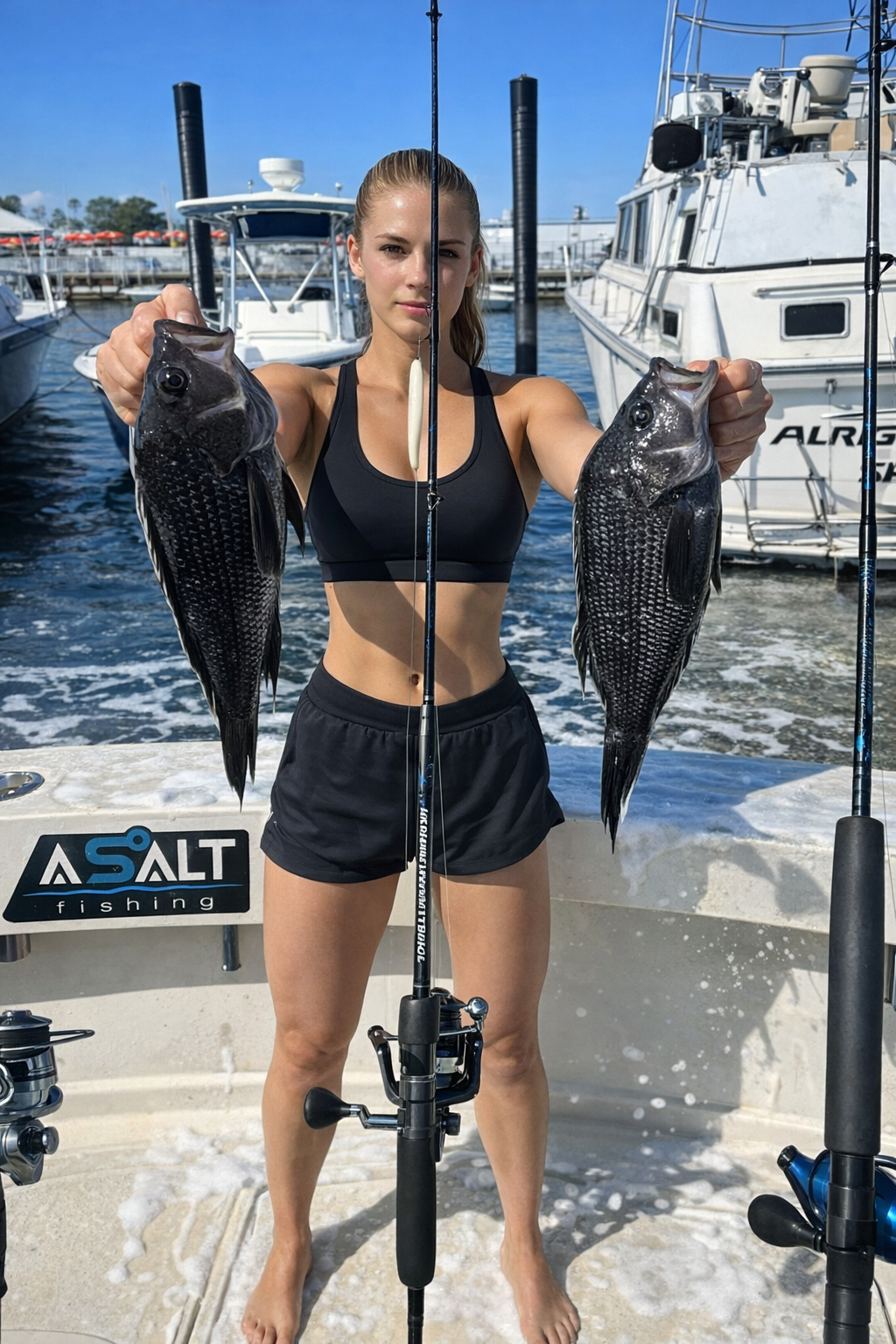
Pro Tip 19: Black Sea Bass and Scup. Yes, you can catch them on jigs! Drop a 1oz or 2oz jig to the bottom of a wreck and use a "short jigging" motion. Keep it within 2 feet of the structure. Our jigs are designed to take the beating of the rocks and keep on fishing.
Maintenance and Longevity
Pro Tip 20: The Post-Trip Rinse. Saltwater is the enemy. ALWAYS RINSE YOUR JIGS IN FRESH WATER AFTER EVERY TRIP. Salt crystals can get under the epoxy at the hook hangers and cause internal corrosion.
- Rinse with cool fresh water.
- Dry with a clean fishing towel.
- Inspect the hook points.
- Store in a ventilated tackle tray to prevent moisture buildup.
Why Asalt Fishing?
We don't just make gear; we make gear that wins. Our epoxy jigs are tested in the harshest Northeast conditions. We know that when you're out there, you need gear that is Reliable, Specialized, and Durable.
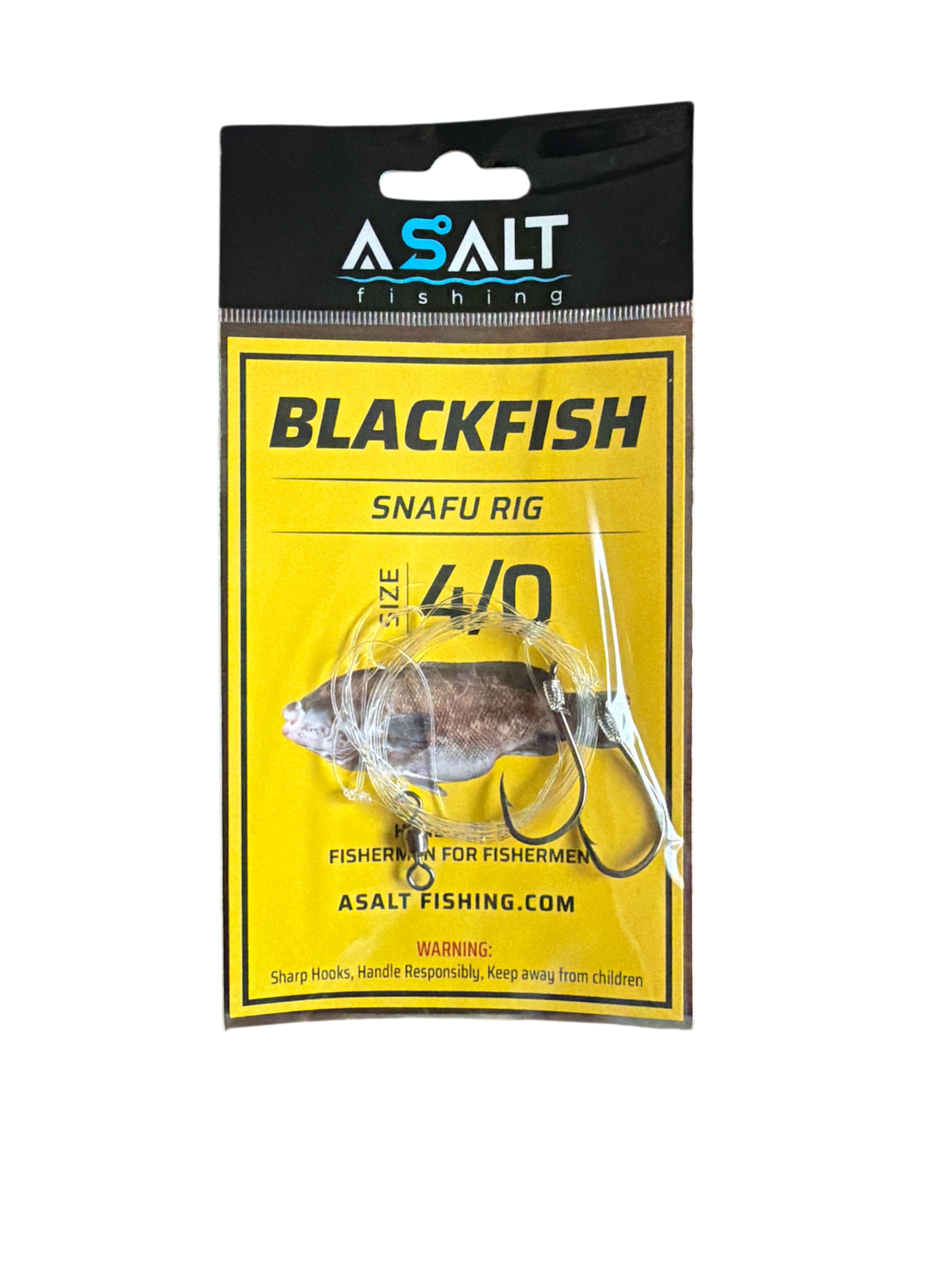
Don’t miss your next fish because you chose an inferior, mass-produced jig. Whether you need a Sea Bass High-Low Rig for the bottom or an Epoxy Jig for the surface, we’ve got you covered.
GEAR UP. GET OUT THERE. ASALT THE WATER.

Ready to upgrade your tackle box? Shop our full collection of Saltwater Epoxy Jigs here!