

Black Sea Bass: High-Low Rig vs Jig — What the 2026 Regulations Change
Black Sea Bass: High-Low Rig vs Jigs — Which Wins Under the 2026 Regulations?
"What Changed for Black Sea Bass in 2026". Well the ASMFC approved a 20% harvest increase
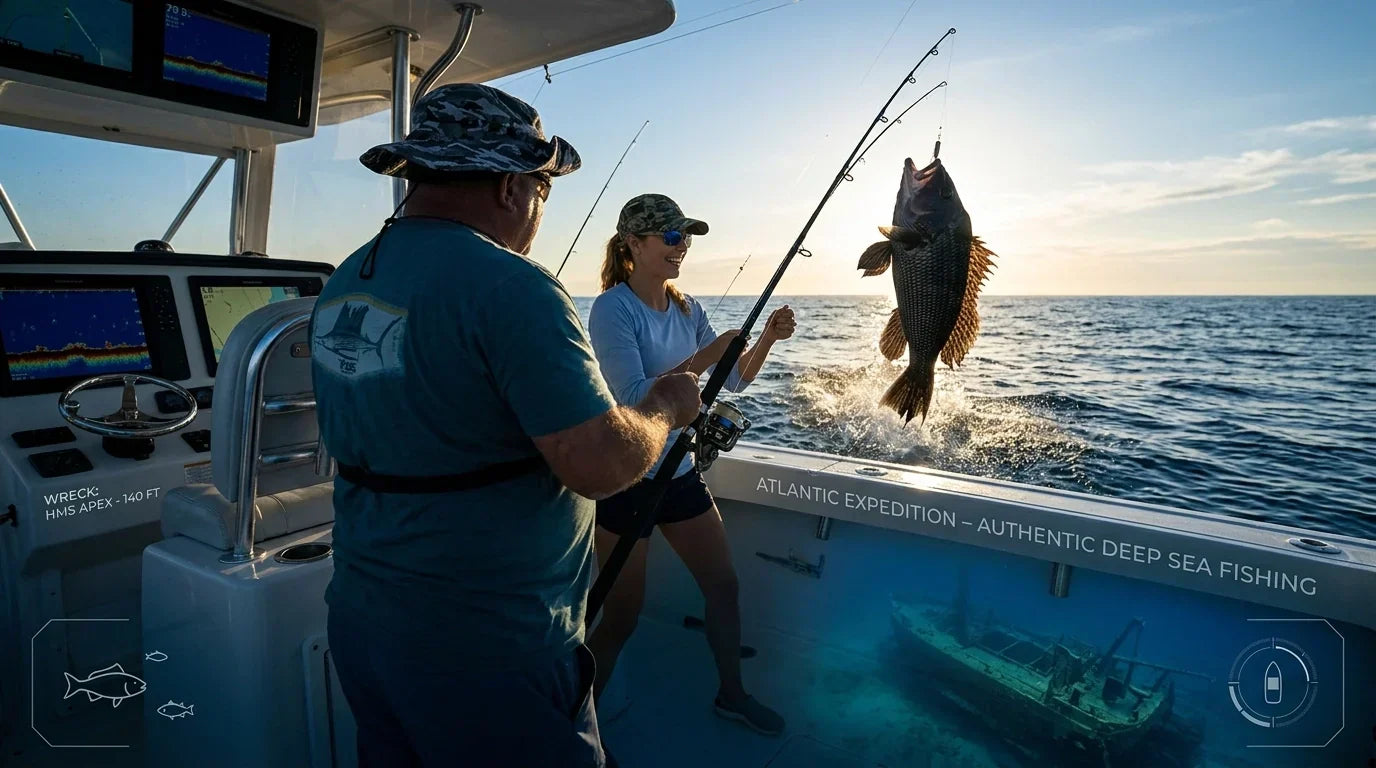
You’re staring at the sonar, and the screen is lit up like a Christmas tree. A tangled mess of steel and growth sits sixty feet below, and right on top of it, the screen is pulsing with the thick, red arches of hungry Black Sea Bass. This is the moment that defines your trip. You reach into your tackle bag, and the question hits: do you go with the classic, reliable sea bass high low rig, or do you drop a sea bass jig to trigger an aggressive strike?
At Asalt Fishing, we don’t just sell gear; we fish it. We’ve spent countless hours on the wrecks of the Northeast, from the Jersey Shore to Montauk, testing every knot and hook point we sell. We know that choosing the right terminal tackle is the difference between a cooler full of "knuckleheads" and a frustrating day of missed bites.
Stronger. Sharper. Innovative. That is the Asalt standard.
In this guide, we’re breaking down the High-Low vs. Jig debate so you can make the right call the next time you're over the structure.
The Black Sea Bass High-Low Rig: The Reliable Workhorse
When people think of black sea bass fishing, the high-low rig is the undisputed king. It’s a staple for a reason: it works. A high-low rig allows you to present two separate baits at different depths simultaneously, doubling your chances of a hookup.

When to Tie on a High-Low Rig
- When Fish Are Picky: Sometimes, sea bass just want the real thing. If the bite is slow or the fish are keyed into natural forage like clam or squid, bait on a high-low rig is UNBEATABLE.
- Heavy Current: In the Northeast, the tide waits for no one. When the current is ripping through the wreck, keeping a light jig in the strike zone is nearly impossible. A heavy sinker on a hand-tied fishing rig keeps your presentation pinned to the bottom.
- Targeting Numbers: If you’re looking to fill the freezer, the high-low rig is your best friend. It’s common to pull up "doubles": two jumbo sea bass on one drop.
The Asalt Advantage: Durability Around the Wreck
Wreck fishing is a game of inches. If you aren't in the structure, you aren't on the fish. But the structure is a tackle graveyard. Our rigs are built with abrasion-resistant leader line that can handle the jagged edges of a sunken barge or rock pile.
DO NOT FISH FLIMSY, MASS-PRODUCED RIGS AROUND SHARP STRUCTURE.
Our rigs use high-carbon steel hooks that are chemically sharpened to ensure that when a fish breathes on the bait, they're pinned.
Black Sea Bass Jigs: The Predator’s Choice
Jigging for sea bass is an entirely different game. It’s active, it’s visual, and for many seasoned anglers, it’s the most rewarding way to fish. Using black sea bass jigs like our Epoxy Jigs mimics the fleeing movement of baitfish, triggering a predatory response.

When to Deploy the Jig
- Aggressive Feeding Windows: When you see "balls" of bait on the sonar and sea bass are actively chasing, a jig will out-fish bait every time.
- Matching the Hatch: If the local forage consists of sand eels, silversides, or small butterfish, our holographic epoxy jigs provide the flash and profile needed to fool the biggest fish in the school.
- Targeting the "Knuckleheads": It’s a well-known secret among wreck anglers that jigs tend to cull the smaller fish. While bait might get pecked at by four-inch scup, a 60-gram jig is a meal reserved for the "knucklehead" sea bass you're actually hunting.
Pro Tip: The "Teaser" Secret
To get the best of both worlds, many pros rig a small teaser or a secondary hook 12-18 inches above their jig. This mimics a larger predator chasing a smaller one: a sight a big sea bass can't resist.
2026 Northeast/NJ Regulations: Why Your Tackle Choice Matters More This Season
If you're fishing the Northeast and especially New Jersey, the new 2026 black sea bass regulations under Option 6 change the game. This is not the year to fish on autopilot.
Here’s the quick-hit breakdown for sea bass fishing in NJ under Option 6:
- Start on May 15
- Measure every keeper against the 12.5-inch minimum size
-
Follow the seasonal bag limits:
- 10 fish in spring
- 1 fish in summer
- 10 fish in fall
That middle stretch is where things get interesting. When the limit drops to 1 fish in summer, it usually makes more sense to stop playing the numbers game and start hunting a single quality fish. That’s where black sea bass jigs shine. If you’re trying to stick one legit "knucklehead" off a wreck, rock pile, or sticky piece, jigging is often the smarter move. Bigger profile. More aggressive reaction bite. Better odds at a fish worth the ride out.
But when the season opens up and you can put together a real box—like the 10-fish spring limit or those heavier “fill the cooler” style days anglers think about in the colder months—the black sea bass high low rig is still king. If your goal is steady action, clean bait presentation, and a real shot at doubles, a high-low rig flat-out puts fish in the boat. No drama. No guessing. Just results.
Pro Tip: Fish the Regulation, Not Just the Wreck
A lot of anglers pick tackle based only on the sonar. Smart move? Pick tackle based on the season limit too.
- Use jigs when the bag limit is tight and one bigger fish matters more.
- Use a high-low rig when the limit lets you stack numbers efficiently.
- Keep both ready because conditions, current, and regulations all matter.
In other words: when you can only keep 1, go trophy hunting. When you can keep 10 or 15, go to work.
Technical Edge: Why Asalt Fishing Leads the Way
Whether you choose a rig or a jig, the terminal tackle is the only thing standing between you and a trophy. We don't cut corners.
- Chemically-Sharpened Points: Our hooks are designed for maximum penetration. No more "swinging for the fences" and missing fish.
- Black Nickel Coating: This ensures your gear survives the salt. Corrosion is the enemy of a sharp hook.
- Hand-Tied Precision: Every knot in our rigs is inspected. We don't trust machines to tie the knots that hold your fish of a lifetime.

Reliable. Specialized. Superior.
How to Fish the Wreck: A Step-by-Step Guide
To maximize your success with inshore saltwater fishing tackle, follow these four simple steps:
- Find the structure using your sonar. Look for the "halo" of fish just off the edges of the wreck.
- Drop your rig or jig vertically. Avoid casting out; sea bass are structure-oriented and you want to be right on top of them.
- Feel for the bottom. Once you hit, reel up two or three cranks. You want to be just above the "snag zone" but in the "strike zone."
- Listen to the rod tip. If using bait, wait for a steady pull before setting the hook. If jigging, be ready for the strike on the drop.
The Verdict: Which One Wins?
The truth is, your tackle bag needs both. But in 2026 sea bass fishing, the regulations should absolutely help make the call.
Use the Sea Bass High-Low Rig when the conditions are tough, the current is screaming, or you’re trying to make the most of a higher-limit bite in the spring or winter-style fisheries. When you can keep numbers, this rig is the most efficient tool in the spread.
Use Sea Bass Jigs when the weather is calm, the fish are aggressive, and especially when the summer limit is only 1 fish and you want to target the biggest "knucklehead" in the pile instead of sorting through shorts and pickers.
Fish smarter. Fish sharper. Fish for the season you’re in.
Don't miss your next fish because you chose an inferior rig.

ALWAYS CHECK YOUR LEADER FOR NICKS AFTER EVERY CATCH
Wrecks are unforgiving. A single nick in your line from a piece of rusty steel or a sharp rock will cause your leader to fail on the next big fish. Be proactive. If the line feels rough, swap the rig.
Notes for the Serious Angler
- Weight Selection: Carry sinkers from 4oz to 10oz. You want to use the lightest weight possible that still keeps you vertical.
- Skirted Rigs: We highly recommend our skirted high-low rigs. The extra vibration and color from the skirts act as a beacon in the dark, murky water surrounding a wreck.
At Asalt Fishing, we design gear to improve the angling experience. Our sea bass rigs are built by fishermen who know exactly what it takes to win the battle under the boat.
Shop our full collection today and dominate the wreck.
FAQ section "Frequently Asked Questions")
"What size hook for a high-low sea bass rig?"
Inshore we use 1/0 or 2/0 baitholder hooks. Deeper water and or bigger fish, we go 2/0 or 3/0 baitholder hooks. The baitholder hooks are good when securing bait or Gulps.
"What weight jig for black sea bass?"
We fish epoxy jig weights from 1oz - 2oz. The trick is that we fish light. Light rods, 4000 size spinning reel, and light braid 20#. This allows the lure and line to cut through the water. You aren't trying to hold bottom. Get a few jigs in, reel up, and repeat. My setup is Asalt Fishing Elite Rod 6'.6" Med, Shimano Stradic 4000
"Are jigs or bait better for keeper-size black sea bass?"
We seem to get larger fish on the jig. Also when they are picky, the jigs seem to still produce. Also, when getting hammered by other fish on the way down and losing bait, the jig gets past them and on to the black sea Bass
.
| What Wins | Rigs | Jigs |
| Water Depth Up To 30' | x | |
| Water Depth Up to 60' | x | x |
| Water Depth Over 60' | x | |
| Heavy Currents | x | |
| Slow Bite, Finicky Fish | x | |
Tags: Sea Bass, Sea Bass High Low Rig, Sea Bass Jigs, Sea Bass Fishing, Jigging, Wreck Fishing, New Jersey Fishing Regulations