



Best Fish to Eat in the Northeast: Top 8 Saltwater Species | Asalt Fishing
From blowfish sea squab to blackfish tautog — a complete guide to the best-tasting saltwater fish on the Northeast coast, ranked by flavor, season, and how to get them on your plate.
Asalt Fishing · The Northeast Table
Best Fish to Eat
in the Northeast
From blowfish tails to striped bass fillets — a complete guide to the finest eating fish on the Atlantic coast, ranked by flavor, accessibility, and how to get them on your plate.
The Northeast coastline — from New Jersey through Long Island, Connecticut, Rhode Island, and up to Massachusetts — is one of the most productive saltwater fishing regions in the world. But not all fish are created equal at the table. Some species are world-class eating that rival anything in a fine seafood restaurant. Others are better released than brought home.
This guide ranks the best-tasting saltwater fish in the Northeast by flavor, texture, ease of cleaning, and how accessible they are to the average angler. Whether you're new to saltwater fishing or a seasoned linesider chaser, this is the definitive catch-and-cook reference for the Northeast coast.
Fluke
Ask any Northeast angler what the single best-eating fish in local waters is, and the answer is almost always the same: fluke. Summer flounder deliver snow-white, boneless, delicate fillets with a mild sweetness that makes them universally loved — even by people who "don't like fish." They fry up crispy, bake beautifully, and make extraordinary fish tacos.
The key to maximizing your fluke harvest is the four-fillet technique — most anglers only take two fillets and leave half the meat on the carcass. Fluke are flatfish, yielding two fillets per side for a total of four from every fish. Done right, even a legal-minimum fish provides a full meal.
Striped Bass
Striped bass is the Northeast's most celebrated game fish — and for good reason. The flesh is firm, white, and clean-flavored with a satisfying texture that holds up to virtually any cooking method. Grilled over charcoal, baked in the oven, or pan-seared with brown butter, a properly cleaned slot striper is one of the finest meals you'll eat all summer.
The sweet spot for table quality is the 28–35 inch slot range. Very large stripers (over 40 inches) can develop a stronger, more pronounced flavor as the flesh carries more oil. Smaller slot fish are consistently the best eating. Always remove the bloodline for the mildest flavor.
Blowfish
Blowfish are the most underrated catch in Northeast waters. Most anglers toss them back without a second thought — and they're leaving one of the finest, most unique seafood experiences in the region behind. The edible tail meat, known as sea squab, is firm, sweet, boneless, and completely mild. Old-school New York seafood restaurants have sold it at premium prices for decades.
The fishing is just as good as the eating. When blowfish are schooled up in a back bay, a hi-lo rig baited with squid will have you double-hooking on nearly every drop. They're aggressive, they're fun, and there's nothing more satisfying than a bucket of sea squab tails fried up dockside with cold beer.
"The best meal of the summer doesn't always come from the biggest fish. A bucket of blowfish tails, a pound of butter, and a hot cast iron pan will change your perspective on the catch entirely."
— Northeast Saltwater Fishing TraditionBlackfish
Blackfish — or tautog — are the Northeast's premier cold-weather fish and arguably the finest white-fleshed table fare in the region when cooked fresh. The flesh is thick, dense, sweet, and firm with a depth of flavor that surpasses most other local species. They're the fish serious anglers target in October and November when everyone else has packed up their gear.
Blackfish are structure-oriented, hanging around rocky outcroppings, jetties, wrecks, and reef areas. They require patience and the right presentation — green crab and fiddler crab on a blackfish rig fished tight to structure is the classic approach. They're notoriously crafty at stealing bait, but the reward when you land a fat tog in late fall is worth every frustration.
Black Sea Bass
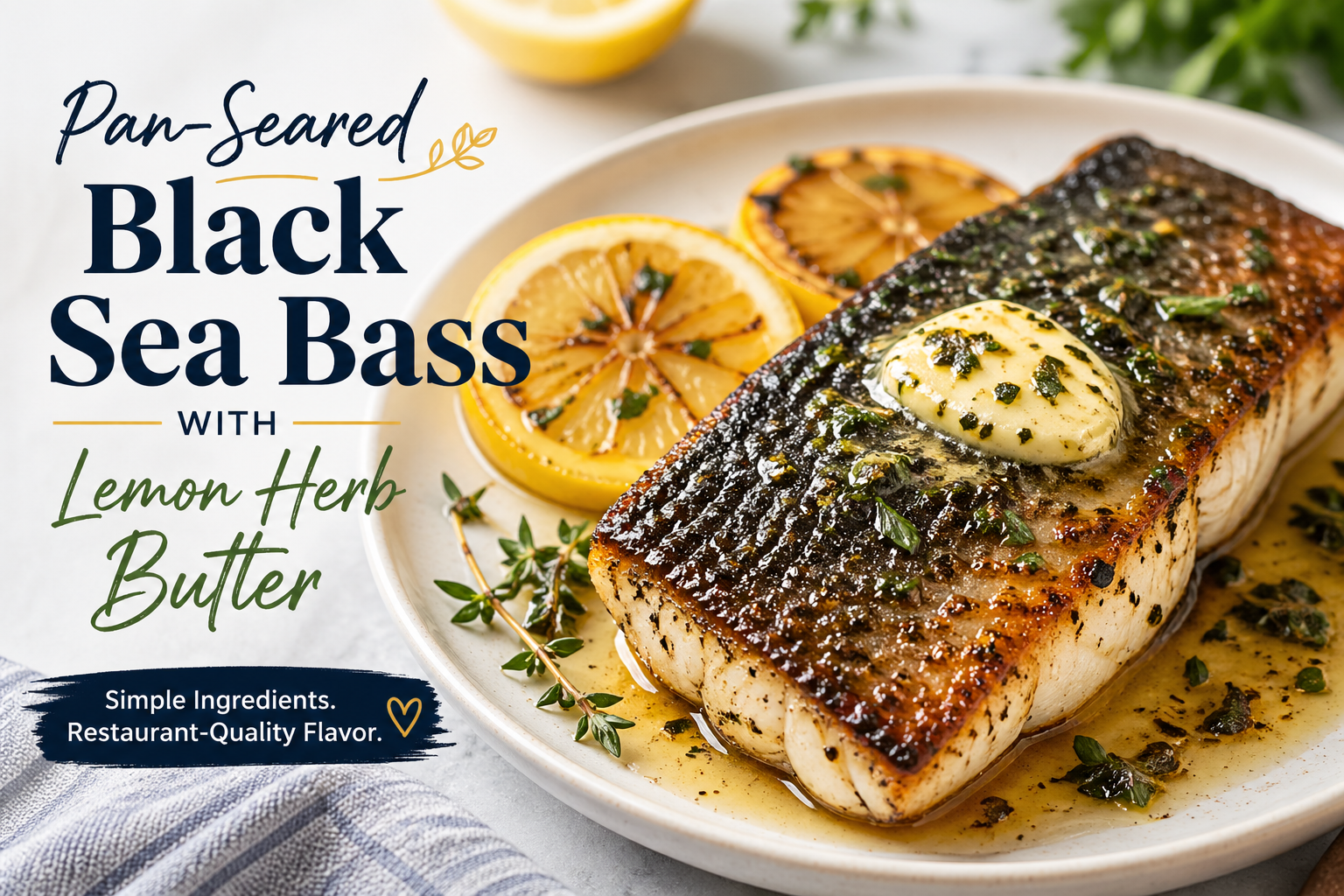
Black sea bass are a restaurant-quality fish that most Northeast anglers can target from May through December. The flesh is white, sweet, slightly richer than fluke, and extraordinarily versatile — phenomenal whole-roasted, pan-seared skin-on, or prepared in Asian-inspired steamed dishes. They're a prized catch on party boats and private vessels alike.
Sea bass congregate around hard structure — reefs, wrecks, artificial structure, and rocky bottom. They're aggressive feeders and not particularly difficult to catch when you're on the right structure with squid or clam on a properly weighted bottom rig. Bag limits apply; check your state's current regulations before keeping fish.
Porgy
Porgy — or scup — are one of the most abundant and most overlooked fish in the Northeast. They bite readily, fight hard on light tackle, and in Mediterranean and Asian cuisines they are considered a prized catch. The flesh is sweet, mildly flavored, and excellent when cooked whole — a preparation that preserves moisture and showcases the fish's natural flavor far better than filleting.
Porgy are schooling fish and easy to locate from late spring through fall. A simple hi-lo bottom rig with squid or clam in 15–40 feet of water over sandy or mixed bottom is all you need. Their abundance makes them perfect for introducing new anglers to saltwater fishing — non-stop action with genuine table value.
Weakfish
Weakfish have declined significantly in Northeast waters over the past two decades, which makes landing one feel like a genuine prize. The flesh is delicate, mildly sweet, and soft-textured — best cooked simply and eaten very fresh, as the flesh softens quickly after harvest. When you do catch one, pan-frying or broiling within hours of landing is the move.
Their name comes from their soft mouths, which tear easily under pressure — not their fighting ability. A weakfish on light tackle is a genuine thrill. Always check current regulations as this species is subject to strict management measures due to reduced stock levels in many areas.
Bluefish
Bluefish are controversial at the dinner table. Anglers either love them or won't touch them — and the difference almost always comes down to how they were handled after the catch. Bluefish deteriorate faster than any other Northeast species. Fish that hit the cooler immediately and are cooked the same day are genuinely excellent — rich, oily, full-flavored, and outstanding smoked or grilled with bold seasonings.
Fish that sit in the sun for two hours before cleaning are exactly what gives bluefish their bad reputation. The rule is simple: ice immediately, cook same day, remove the bloodline. Do those three things and bluefish becomes a completely different fish at the table. Their aggressive topwater strikes and blazing runs make them one of the most thrilling catches on the coast regardless of table quality.
Full Species Comparison
| Species | Flavor | Season | Difficulty | Rig / Guide |
|---|---|---|---|---|
| Fluke | ★★★★★ Mild, sweet | May–Oct | Moderate | Fluke Rigs → |
| Striped Bass | ★★★★★ Clean, firm | Apr–Nov | Moderate | Striper Rigs → |
| Blowfish | ★★★★★ Sweet, boneless | May–Oct | Easy | Hi-Lo Rig → |
| Blackfish | ★★★★★ Rich, dense | Oct–Dec, Mar–May | Challenging | Blackfish Rigs → |
| Black Sea Bass | ★★★★★ Sweet, rich | May–Dec | Moderate | Sea Bass Rigs → |
| Porgy | ★★★★ Mild, nutty | May–Nov | Easy | Porgy Rigs → |
| Weakfish | ★★★★ Mild, delicate | May–Oct | Moderate | Fishing Tips → |
| Bluefish | ★★★ Bold, oily | May–Nov | Easy | Fishing Tips → |
- Ice immediately. The single biggest factor in fish quality isn't species — it's how fast the fish hits the ice after landing. Every species on this list improves dramatically when iced within minutes of the catch.
- Use the right rig. Presentation matters. Pre-tied, species-specific rigs eliminate the guesswork and get your bait in the right zone. Browse our fluke, striped bass, sea bass, porgy, and blackfish rigs.
- Remove the bloodline. On virtually every fish — especially striped bass and bluefish — cutting out the dark lateral line muscle eliminates the strongest, most "fishy" flavor and produces a dramatically milder fillet.
- Cook fresh, cook simple. The best-tasting fish rarely need complex preparation. Fresh, properly handled fish shines with nothing more than butter, lemon, garlic, and a hot pan.
- Check regulations before you keep. Every species on this list is regulated. Size limits, bag limits, and season dates vary by state and change regularly. Always verify with your state's DEC or Fish & Wildlife website before every trip.
Fishing Tips & Guides
How to catch, clean, and rig every species on this list — in one place.
Recipes by Species
From blowfish sea squab to stuffed fluke florentine — every recipe you need.
Frequently Asked Questions
What is the best-tasting fish to catch in the Northeast?
Fluke (summer flounder), blackfish (tautog), and black sea bass are widely considered the finest-tasting fish in Northeast waters. Blowfish (sea squab) are arguably the most underrated — sweet, boneless, and delicious, yet most anglers throw them back. Striped bass in the 28–35 inch slot range are also exceptional table fare.
What fish can you catch from shore in the Northeast?
Striped bass, bluefish, and weakfish are the primary surf targets. Blowfish, porgy, and fluke are accessible from piers, jetties, and back bay shorelines. Blackfish and sea bass typically require a boat to reach the structure they prefer, though some jetty-adjacent rocky areas hold tog.
What is the best time of year to fish in the Northeast?
The Northeast saltwater season runs roughly May through November, with peak action concentrated from Memorial Day through Labor Day. Blackfish are the exception — they're at their best in October through December and again in March through May. Each species has its own peak window; the comparison table above breaks it down by season.
Is blowfish safe to eat?
Yes. The Northern Puffer (Sphoeroides maculatus) caught along the Northeast coast is safe to eat when cleaned correctly. Only the tail muscle meat (sea squab) is eaten — the skin and organs are discarded. See our complete blowfish cleaning guide for the proper technique.
What are the best pre-tied rigs for Northeast saltwater fishing?
The right rig depends on your target species. Asalt Fishing offers purpose-built, pre-tied rigs for fluke, striped bass, black sea bass, porgy, blackfish, and blowfish — all ready to fish straight out of the package.
How do I make bluefish taste better?
Ice the fish immediately after landing, fillet and remove the bloodline within an hour of the catch, and cook the same day. Bluefish that are handled this way are genuinely excellent — rich and flavorful rather than strong and oily. Smoking bluefish is also highly recommended and produces an outstanding result even from larger fish.
Show Us What You're Catching
Tag your catch, your cleaning table, and your finished plate. We want to see every species on this list make it to your table.
Follow @asalt.fish on Instagram